
Introduction: Why the Evoque Stands Out in Luxury SUVs, Regardless of Some Fixable Factory Glitches
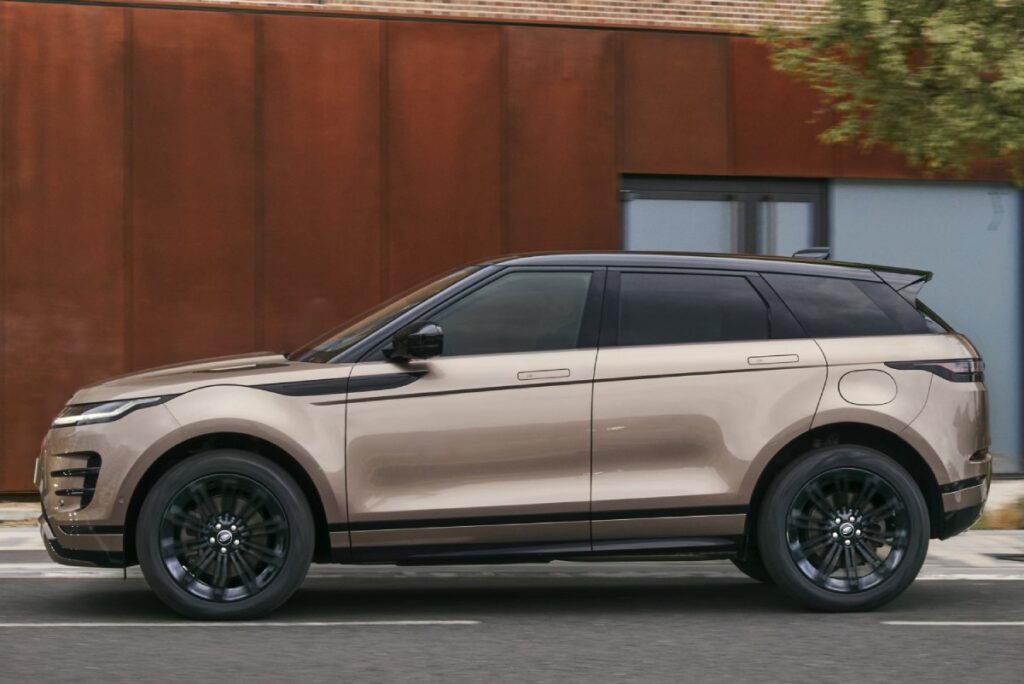
When Land Rover introduced the Range Rover Evoque in 2011, it quickly became one of the brand’s most stylish and versatile models. Compact yet luxurious, the Evoque appealed to urban drivers who wanted the prestige of the Range Rover name without the bulk of its larger siblings. The second generation, launched in 2019 (L551 platform), brought refined styling, advanced infotainment, and new powertrain options, including mild-hybrid (MHEV) and plug-in hybrid electric vehicle (PHEV) systems.
While the Evoque has carved out a reputation for its sleek design and upscale interior, it hasn’t been without its challenges. Like many modern vehicles, especially those packed with advanced technology, the Evoque has experienced its share of factory-related issues. These aren’t necessarily dealbreakers, but they’re important for current owners and potential buyers to understand. More importantly, Land Rover has shown commitment to addressing these problems through recalls, software updates, and engineering improvements.
Electrical and Software Glitches: The Most Reported Issue
Electrical concerns could be the most commonly reported issues with the Evoque, especially in the 2020–2022 models. Some drivers have encountered dashboard error messages, infotainment malfunctions, blank rear camera screens, and instrument clusters that randomly switch between metric and imperial units.
The good news is that most of these glitches stem from software or electronic modules rather than mechanical failures. Land Rover has rolled out numerous software updates and recall campaigns to resolve these concerns. For instance, some infotainment system faults were fixed with over-the-air (OTA) updates, saving owners a trip to the service center.
Still, owners should be aware that electrical issues may recur, especially as the Evoque’s complex systems age. Independent specialists like JC’s British & 4×4 in Englewood and Sheridan, Colorado, have built reputations for tackling these kinds of problems with precision diagnostics and solutions tailored to Land Rover models.
Hybrid and PHEV Challenges: Early Growing Pains

The introduction of hybrid technology into the Evoque lineup marked an exciting step forward for efficiency-minded Land Rover enthusiasts. The Evoque P300e plug-in hybrid (PHEV), in particular, allows short all-electric drives—perfect for city commuting in places like Denver.
However, early versions of the PHEV could face teething issues. Some owners reported sudden loss of power in EV-only mode, battery discharge problems, and difficulties with charging systems. These are not uncommon for first-generation hybrid systems, as manufacturers fine-tune the balance between gasoline and electric components.
Land Rover has issued recall campaigns and software patches to improve reliability in these vehicles. For owners in adventure-ready states like Colorado, ensuring the PHEV system is functioning properly is crucial, especially before heading into the mountains. That’s where trusted Range Rover specialists like JC’s British & 4×4 come in—they can perform detailed inspections on hybrid systems to ensure they’re running at peak performance.
48-Volt MHEV System Recalls: What Owners Should Know
Another area of concern has been the 48-volt mild hybrid (MHEV) system, introduced to improve fuel efficiency and reduce emissions. Some early production models (around 2019–2020) were affected by recalls involving potential overloads in the DC-DC converter, which could cause short circuits and even pose a fire risk.
Fortunately, these issues were addressed through official recall campaigns, which included software reprogramming and system checks. Most affected vehicles have already been updated, but used-car buyers should verify that all recalls have been completed before finalizing a purchase.
Factory Fit and Finish: Water Leaks, Seals, and Cabin Concerns
Beyond electronics, some Evoque owners have reported more traditional factory issues involving fit and finish. Water leaks around windshields and door seals have been cited, occasionally leading to damp carpets or moldy odors. Wind noise and misaligned trim panels have also appeared in owner forums and reliability surveys.
Though these problems don’t typically affect drivability, they can diminish the premium feel Land Rover is known for. Replacing seals, resealing windshields, and adjusting body panels are fixes that shops like JC’s British & 4×4 handle regularly. Their familiarity with Land Rover quirks ensures repairs are not just cosmetic but durable, preventing recurring issues.
Safety-Related Fixes: Airbags, Seatbelts, and TPMS Updates
Some Evoque recalls have focused on safety compliance. These include airbag knee-bolster covers, seatbelt assemblies, flammability standards for seat materials, and tire pressure monitoring systems (TPMS) that were set outside compliance ranges.
While most of these concerns were quickly resolved through recall campaigns, they highlight the importance of staying current on manufacturer notices. Owners should regularly check their Vehicle Identification Number (VIN) on Land Rover’s recall portal or through trusted service shops to ensure their vehicle is up to date on all safety-related fixes.
Other Common Evoque Issues by Generation: First vs. Second Gen
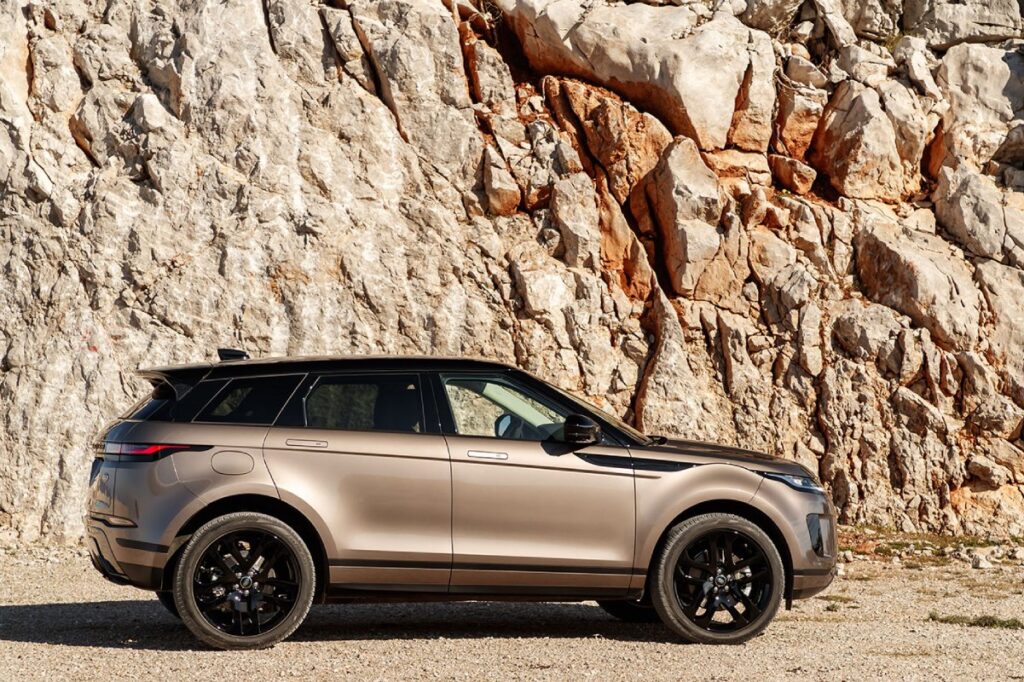
While many of the Evoque’s known glitches fall under recalls and software patches, owners should also be aware of mechanical concerns that vary between generations.
- First Generation (2011–2018)
These models are more prone to mechanical wear as they age. Independent shops like JC’s British & 4×4 frequently see:
- Turbocharger failures leading to reduced performance and costly repairs if left unchecked.
- Timing chain issues that can cause rattling noises and, in severe cases, engine damage.
- Coolant leaks from hoses or reservoirs, which can lead to overheating if not addressed quickly.
- Turbocharger failures leading to reduced performance and costly repairs if left unchecked.
- Since many of these vehicles are now out of warranty, buyers should budget for preventive maintenance and inspections before purchase.
- Second Generation (2019–present)
The newer platform (L551) has fewer mechanical complaints but still presents emerging patterns:
- Check Engine Lights (CELs) from PCV system faults, which can confuse owners but are usually straightforward repairs.
- Oil leaks at the blanking plug, a nuisance issue more than a catastrophic one, but worth fixing early to avoid drips or long-term residue.
- Check Engine Lights (CELs) from PCV system faults, which can confuse owners but are usually straightforward repairs.
These generational differences highlight why it’s valuable to work with an independent Land Rover specialist familiar with both Evoque eras.
Land Rover’s Response: How Recalls and Updates Improve Reliability
One of the key takeaways when analyzing Evoque factory issues is that Land Rover has been proactive in issuing recalls and updates. The brand’s ability to provide OTA software fixes is particularly noteworthy, allowing some problems to be addressed without a service appointment.
More importantly, newer model years show fewer reports of major issues, indicating that Land Rover is learning from early production challenges. This pattern is common in the automotive industry: first-generation models often face more hiccups, while later versions benefit from refinements and customer feedback.
Practical Tips for Evoque Owners and Buyers
For those who own or are considering a Range Rover Evoque, here are some practical steps to ensure a smooth ownership experience:
- Check recall history: Run the VIN through Land Rover’s recall site to confirm all updates have been completed.
- Inspect for leaks: Look for signs of water ingress around windshields, A-pillars, and footwells.
- Test hybrid systems: If buying a PHEV, ensure EV mode works properly and test charging functionality.
- Monitor electronics: Pay attention to infotainment, rear cameras, and warning lights—early glitches may require software updates.
- Rely on specialists: Independent Land Rover shops like JC’s British & 4×4 provide tailored diagnostics, more personalized service, and often quicker turnaround than dealerships.
JC’s British & 4×4: Denver’s Independent Land Rover Experts
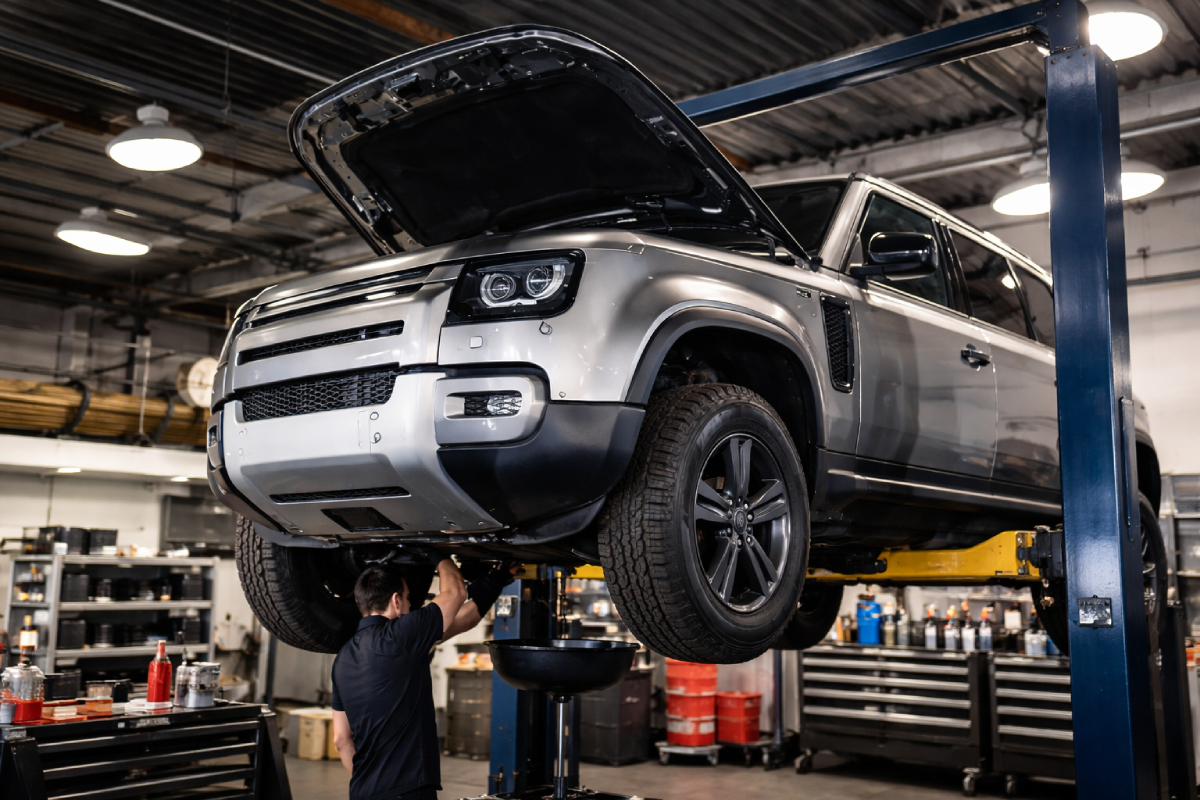
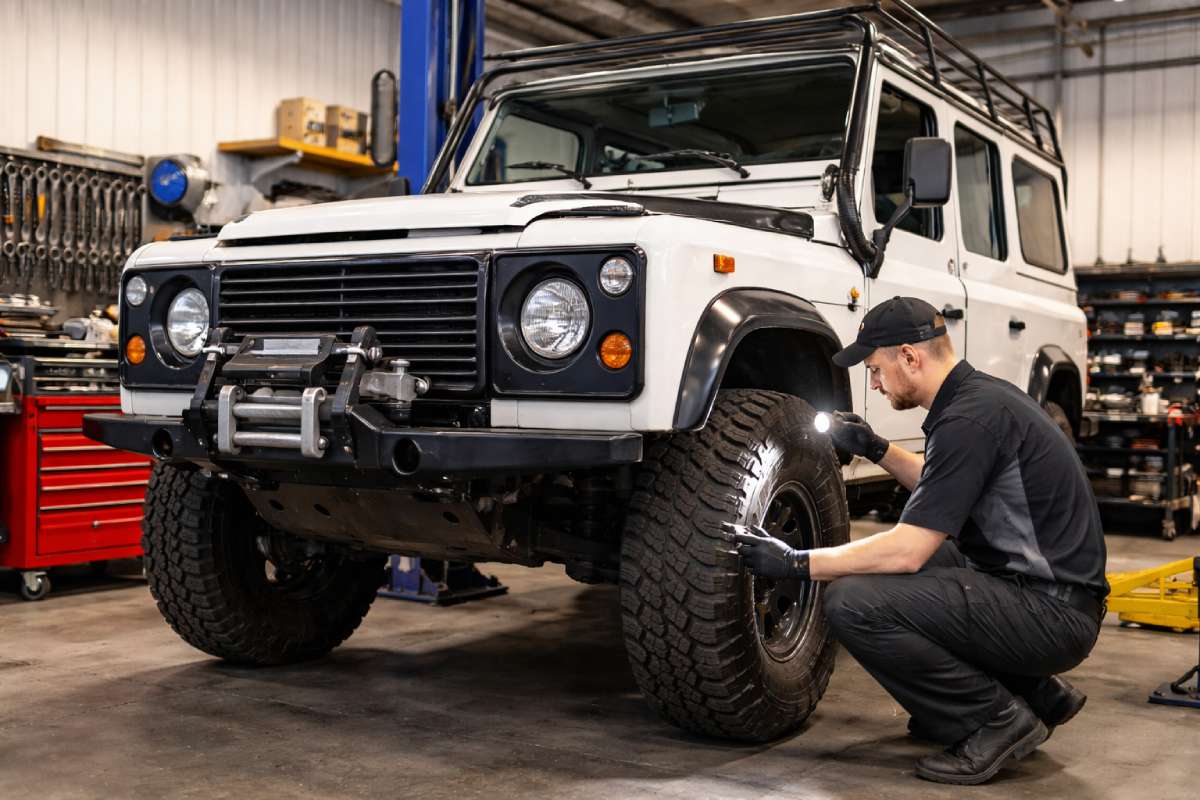
Located in Englewood and Sheridan, and serving the entire Denver metro area, JC’s British & 4×4 has built its reputation as a trusted independent Land Rover specialist. Their team understands the possible nuances of Range Rover models, including the Evoque, and they offer a full suite of services:
- Maintenance & repair of both traditional and hybrid models
- Electrical diagnostics for tricky software or infotainment faults
- Recall-related checks to ensure vehicles are up to date
- Adventure outfitting, including accessories for off-road use and Colorado’s rugged terrain
JC’s British & 4×4 offers not only technical expertise but also a more customer-focused experience compared to large dealerships. Their team can help transform a vehicle from a luxury city SUV into a mountain-ready companion.
The Evoque’s Journey: From Glitches to Greater Reliability
The Range Rover Evoque remains one of Land Rover’s most compelling models—luxurious, compact, and perfectly suited for urban lifestyles with a touch of adventure. While some early versions of the current generation experienced their share of glitches, Land Rover’s commitment to recalls, updates, and refinements has improved reliability year over year.
For Denver-area owners, the key to enjoying an Evoque long-term is simple: stay proactive with regular check-ups, monitor electrical systems, and partner with trusted specialists like JC’s British & 4×4. Contact us at 720-740-5318 or reach our Facebook page. With the right care, the Evoque can deliver the blend of style, comfort, and capability that has made it a standout in the luxury SUV market.
Frequently Asked Questions
What are the most common problems with the Range Rover Evoque?
The most reported issues with the Range Rover Evoque include electrical and infotainment glitches, water leaks around seals, mild-hybrid (MHEV) system recalls, and early plug-in hybrid (PHEV) charging challenges. First-generation models (2011–2018) also face turbocharger, timing chain, and coolant leak problems.
Has Land Rover fixed the Evoque electrical and infotainment glitches?
Yes, Land Rover has addressed many Evoque infotainment and electrical issues through software patches, over-the-air (OTA) updates, and recall campaigns. However, owners should still monitor dashboard warnings, camera displays, and cluster errors, as recurring glitches are possible in older models.
Are there recalls for the Range Rover Evoque’s hybrid systems?
Yes. Early 48-volt MHEV models (2019–2020) had recalls for DC-DC converter overload risks, while the Evoque PHEV experienced issues with battery discharge and EV-only power loss. Land Rover issued recalls and software updates to improve reliability, so buyers should confirm recall work has been completed.
How reliable is the Range Rover Evoque compared to other luxury SUVs?
While stylish and capable, the Evoque has a history of factory glitches. Reliability has improved in newer generations thanks to recalls and updates. With proactive maintenance and recall compliance, many owners enjoy trouble-free performance, though it generally rates below Japanese and German rivals in reliability surveys.
What should I check before buying a used Range Rover Evoque?
Before purchasing, check the VIN for open recalls, inspect for water leaks, verify infotainment and hybrid systems work properly, and scan for check engine lights. For first-gen models, pay close attention to turbo performance, timing chain noise, and coolant levels. Independent Land Rover specialists can perform detailed inspections.
Who is the best specialist for Range Rover Evoque repairs in Denver?
JC’s British & 4×4, with locations in Englewood and Sheridan, Colorado, is a trusted independent Land Rover specialist. They provide electrical diagnostics, hybrid system checks, recall compliance services, and off-road outfitting tailored for Colorado’s terrain.